
Tanzania
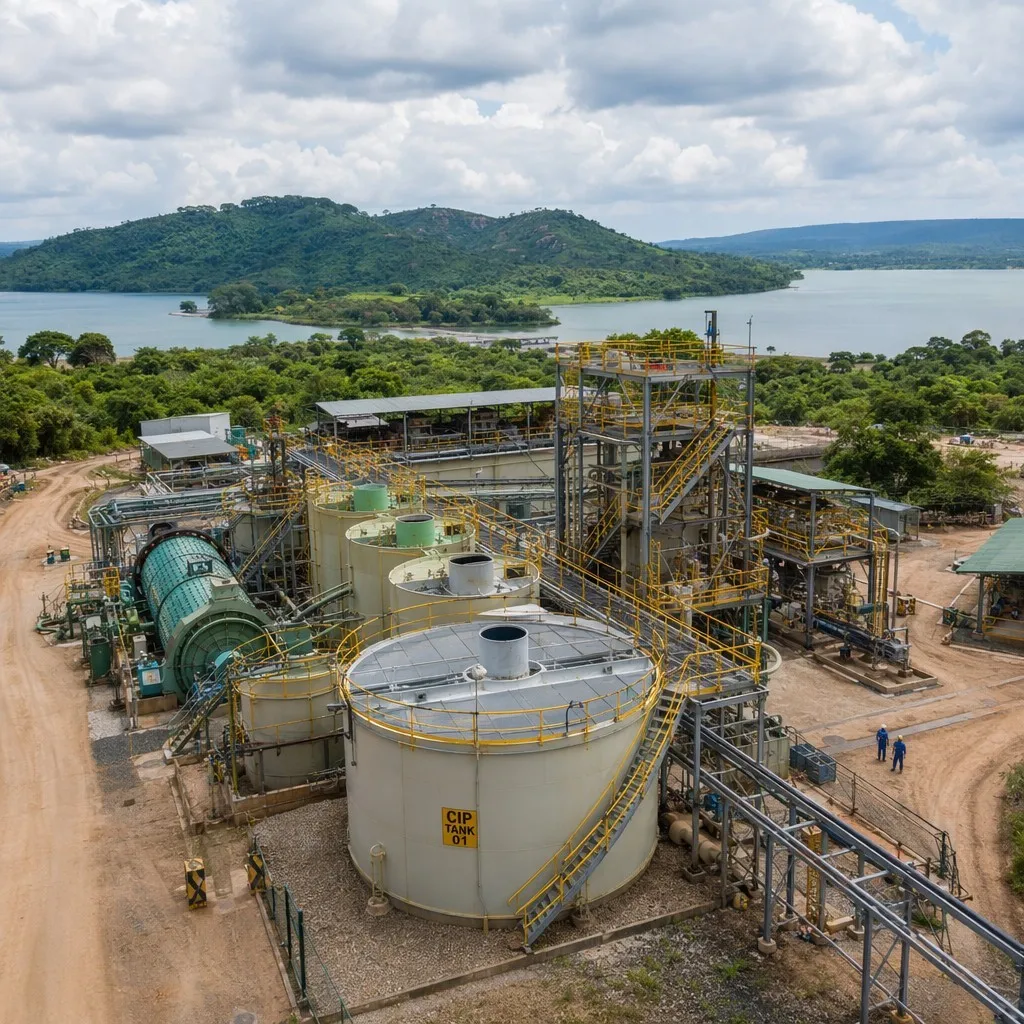
Technical Scenario 1: Separating Water-Quality and Carbon Factors in a Tanzanian CIP Elution Circuit
|
Illustrative circuit image; no specific customer or site test data referenced. |
|
Typical Operating Challenge: Scale in elution or heat-transfer equipment may originate from source-water chemistry, recycled process water, reagents, dissolved metals, suspended solids, operating temperature, or carbon-associated mineral matter. It is not technically sound to attribute the deposit to carbon ash without water and deposit analysis. Technical Assessment: Trend relevant water-chemistry data and analyze representative scale deposits. Compare incoming and in-circuit carbon ash and extractable mineral content using an agreed method, then review elution, acid-wash, and water-reuse conditions with the plant team. YICARB® Technical Approach: YICARB® would compare a suitable AU Series grade for adsorption, particle integrity, and ash requirements and provide batch documentation. Water treatment, acid washing, and equipment-cleaning changes should be designed and approved by the mine and qualified water or process specialists. Verification Before Any Performance Claim: Track deposit composition, cleaning observations, pressure or heat-transfer indicators, carbon condition, and operating context before and during any trial. Claims about cleaning intervals, energy, downtime, or recovered gold require site-approved data. Learn More: For verified site case studies with authorized mine data, contact our technical team to request confidential project references. |
Technical Scenario 1: Separating Water-Quality and Carbon Factors in a Tanzanian CIP Elution Circuit
|
Illustrative circuit image; no specific customer or site test data referenced. |
|
Typical Operating Challenge: Scale in elution or heat-transfer equipment may originate from source-water chemistry, recycled process water, reagents, dissolved metals, suspended solids, operating temperature, or carbon-associated mineral matter. It is not technically sound to attribute the deposit to carbon ash without water and deposit analysis. Technical Assessment: Trend relevant water-chemistry data and analyze representative scale deposits. Compare incoming and in-circuit carbon ash and extractable mineral content using an agreed method, then review elution, acid-wash, and water-reuse conditions with the plant team. YICARB® Technical Approach: YICARB® would compare a suitable AU Series grade for adsorption, particle integrity, and ash requirements and provide batch documentation. Water treatment, acid washing, and equipment-cleaning changes should be designed and approved by the mine and qualified water or process specialists. Verification Before Any Performance Claim: Track deposit composition, cleaning observations, pressure or heat-transfer indicators, carbon condition, and operating context before and during any trial. Claims about cleaning intervals, energy, downtime, or recovered gold require site-approved data. Learn More: For verified site case studies with authorized mine data, contact our technical team to request confidential project references. |
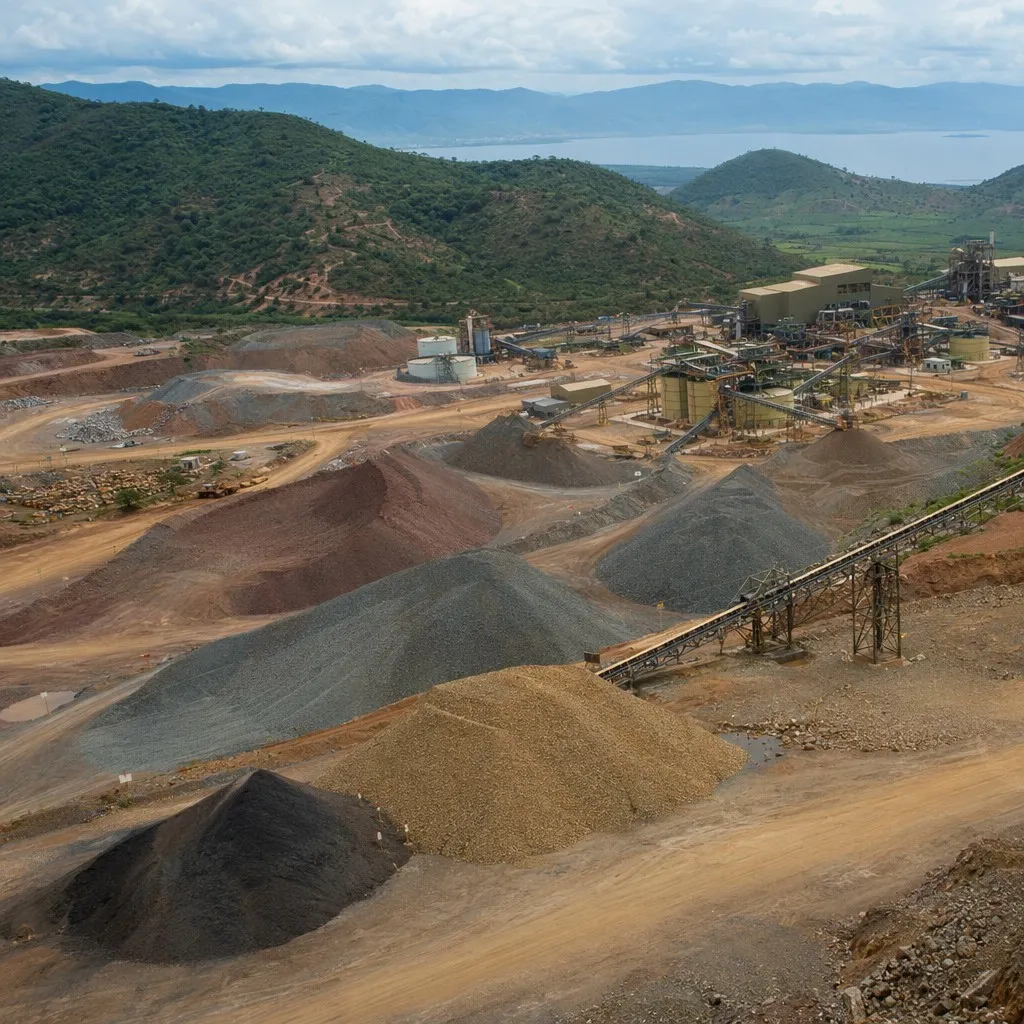
Technical Scenario 2: Building a Carbon Control Strategy for Variable Tanzanian Ore Campaigns
|
Illustrative circuit image; no specific customer or site test data referenced. |
|
Typical Operating Challenge: A plant treating materially different ore campaigns may see changes in leach response, preg-robbing behavior, solution tenor, carbon loading, and barren losses. Using one fixed operating strategy may be suboptimal, but switching carbon grades without a validated inventory and transition plan can create its own control problems. Technical Assessment: Classify the ore campaigns through representative test work and plant data, then compare stage solution profiles, carbon loading, kinetics, equilibrium capacity, carbon advance, and regeneration condition. Confirm whether the limiting factor changes with ore type before changing the carbon specification. YICARB® Technical Approach: YICARB® can test AU Series options and help prepare a decision matrix based on measured ore and circuit conditions. The mine should decide whether one robust grade with adjusted operating controls or separate grades is practical, considering storage, mixing, traceability, and transition time. Verification Before Any Performance Claim: Evaluate each strategy over representative campaigns using the same mass-balance and sampling method. Do not publish campaign recovery, elution reduction, or annual value unless the customer validates the data and authorizes disclosure. Learn More: For verified site case studies with authorized mine data, contact our technical team to request confidential project references. |
Technical Scenario 2: Building a Carbon Control Strategy for Variable Tanzanian Ore Campaigns
|
Illustrative circuit image; no specific customer or site test data referenced. |
|
Typical Operating Challenge: A plant treating materially different ore campaigns may see changes in leach response, preg-robbing behavior, solution tenor, carbon loading, and barren losses. Using one fixed operating strategy may be suboptimal, but switching carbon grades without a validated inventory and transition plan can create its own control problems. Technical Assessment: Classify the ore campaigns through representative test work and plant data, then compare stage solution profiles, carbon loading, kinetics, equilibrium capacity, carbon advance, and regeneration condition. Confirm whether the limiting factor changes with ore type before changing the carbon specification. YICARB® Technical Approach: YICARB® can test AU Series options and help prepare a decision matrix based on measured ore and circuit conditions. The mine should decide whether one robust grade with adjusted operating controls or separate grades is practical, considering storage, mixing, traceability, and transition time. Verification Before Any Performance Claim: Evaluate each strategy over representative campaigns using the same mass-balance and sampling method. Do not publish campaign recovery, elution reduction, or annual value unless the customer validates the data and authorizes disclosure. Learn More: For verified site case studies with authorized mine data, contact our technical team to request confidential project references. |
ㅤ

Products
Solutions
Performance
Markets & Cases
Resources
Manufacturing & Quality
About Us
Contact Us

Copyright © 2026 Guangdong Yicarb Activated Carbon Co., Ltd. All Rights Reserved.