
Activated Carbon Regeneration in Gold Recovery: Process and Benefits
How controlled regeneration restores carbon activity, supports repeated reuse, and stabilizes long-term CIP/CIL performance
Date: October 14, 2026 Author: YICARB Technical Expert (15+ years experience in activated carbon industry)
Abstract
Activated carbon regeneration in gold recovery restores used carbon so it can return to CIP, CIL, or CIC service with useful adsorption activity. Repeated adsorption, elution, and handling can leave carbon fouled or physically degraded. A controlled regeneration program helps restore adsorption behavior, reduce fresh-carbon demand, and improve lifecycle economics. This article explains the regeneration sequence, benefits, limits, and monitoring points that matter most.
1. Why Gold-Recovery Carbon Needs Regeneration
Gold-recovery carbon is reused through multiple cycles. During service, organic foulants, mineral deposits, and repeated mechanical handling can reduce access to adsorption sites and weaken particles. Regeneration aims to recover useful activity while preserving particle integrity; it does not make used carbon identical to fresh carbon.
2. Typical Activated Carbon Regeneration Process
The exact flowsheet varies by mine, but the regeneration cycle normally sits between elution and return to the adsorption circuit.
2.1 Elution and cleaning
Loaded carbon is first eluted so adsorbed gold moves into a concentrated solution for downstream recovery. Acid washing may also be included where mineral scale or inorganic deposits need to be removed; its position depends on the plant flowsheet.
2.2 Thermal regeneration
After elution, carbon may be thermally regenerated under controlled high-temperature conditions in a limited-oxygen or steam-containing atmosphere. The goal is to remove organic foulants and reopen pore structure without excessive burn-off.
2.3 Cooling, screening, and return
Regenerated carbon is cooled, screened to remove fines or damaged particles, and returned to the circuit. Fresh make-up carbon replaces unavoidable losses.
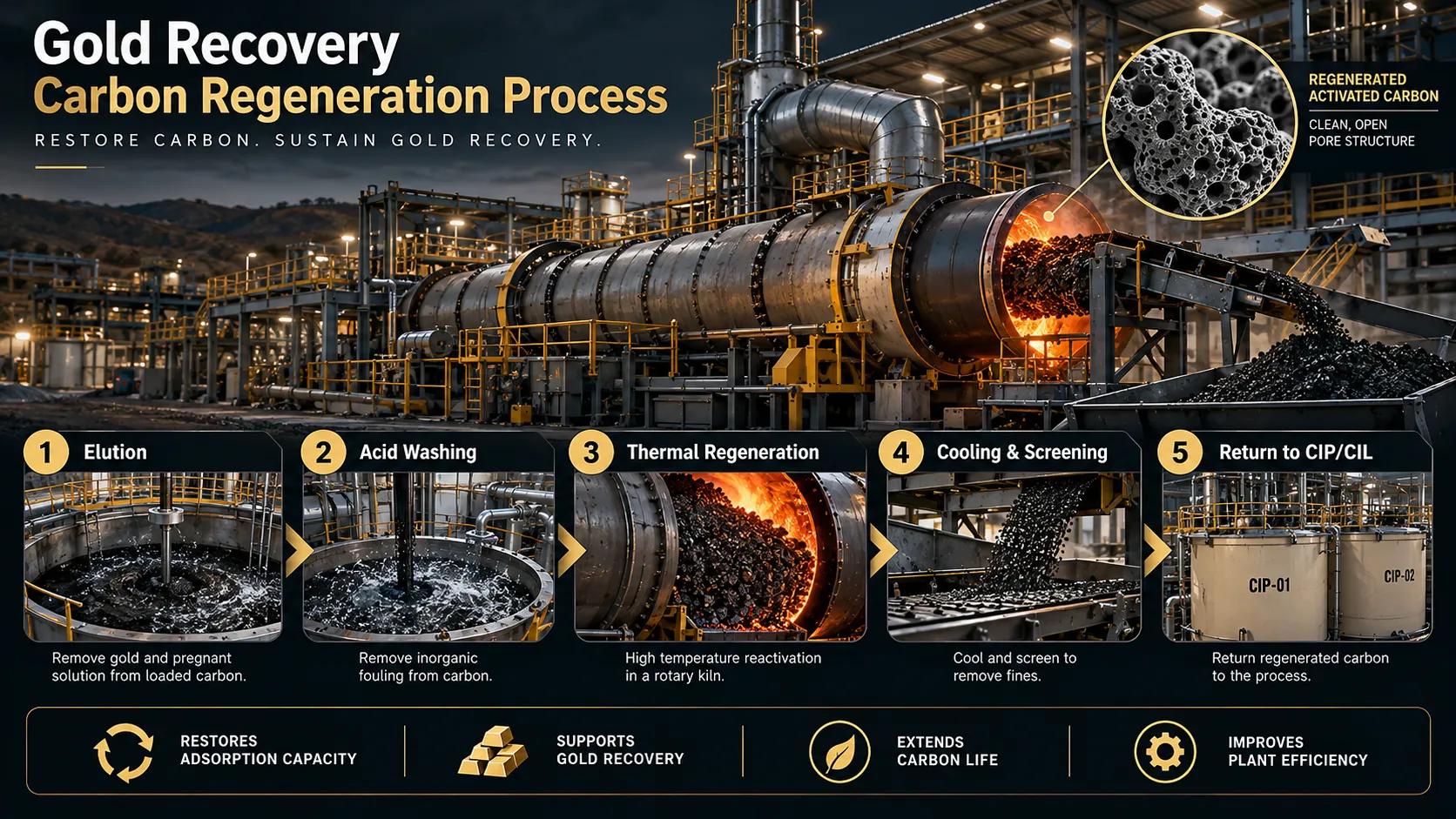 Figure 1: Typical carbon regeneration sequence in gold recovery.
3. Main Benefits of Regeneration
· Restores useful adsorption activity so carbon can continue capturing dissolved gold.
· Reduces fresh-carbon consumption by extending the number of service cycles.
· Supports a more stable carbon inventory and reduces make-up demand.
· Can improve lifecycle economics when regeneration is controlled effectively.
· Reduces waste by making better use of carbon already in the plant.
4. Regeneration Is Not the Same as Elution
Elution removes gold from loaded carbon; regeneration restores adsorption performance after fouling. A carbon can be effectively stripped of gold and still return with weak adsorption activity if foulants remain. Plants that reuse carbon should therefore monitor regenerated-carbon activity separately from desorption efficiency.
5. Key Risks During Thermal Regeneration
Excessive temperature, oxygen exposure, or residence time can burn carbon, weaken particle structure, and increase attrition. Insufficient treatment can leave carbon partially fouled. Mechanical damage during dewatering, transfer, screening, or cooling can also offset the benefit of a well-controlled kiln.
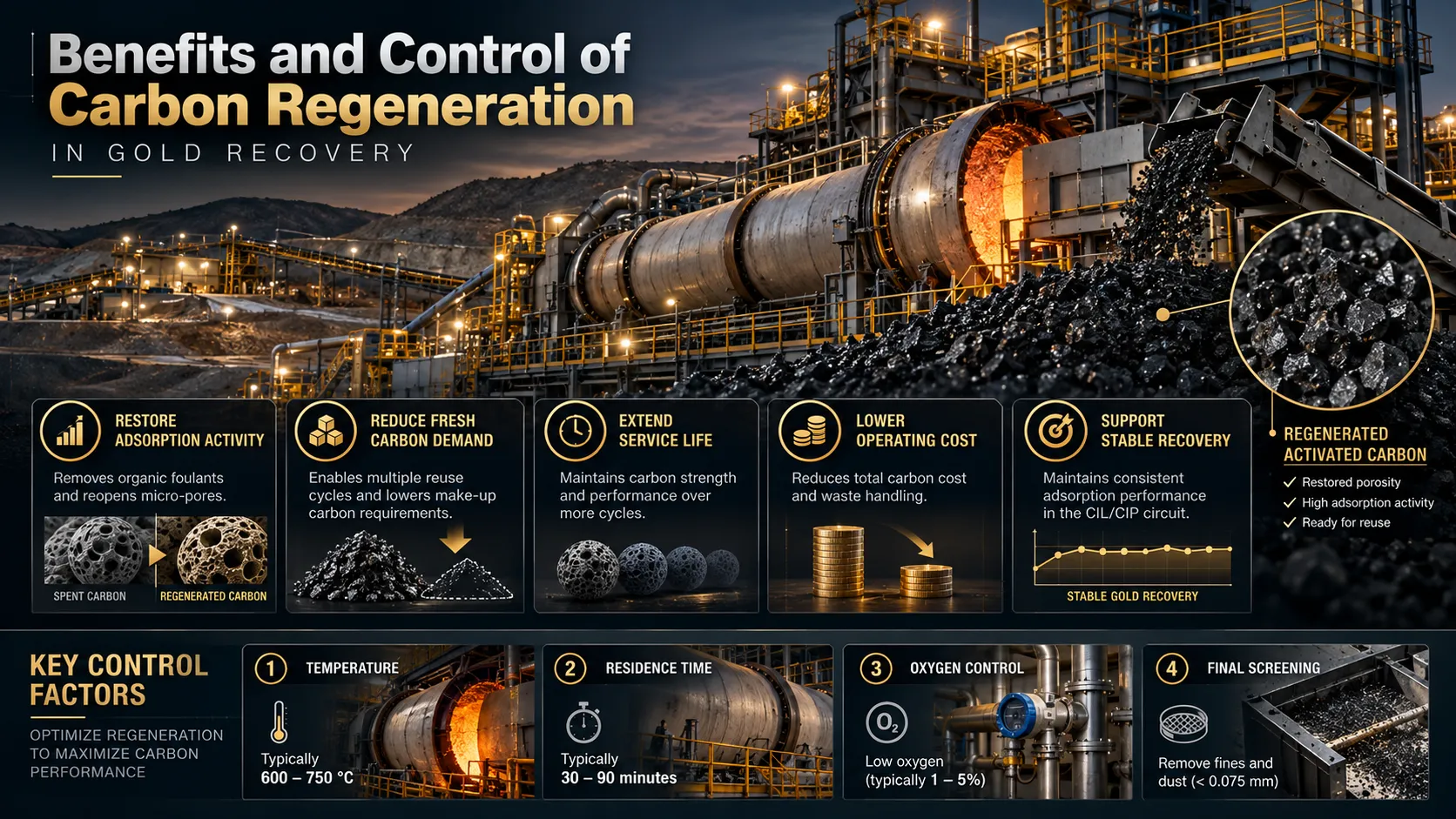 Figure 2: Key benefits and operating controls of carbon regeneration.
6. How to Monitor Regenerated Carbon
|
Check |
What It Shows |
Why It Matters |
|
Gold adsorption activity |
Whether regenerated carbon captures gold fast enough |
Confirms functional recovery after treatment |
|
PSD and fines |
Whether particles are breaking down |
Supports screen retention and inventory control |
|
Hardness / attrition |
Whether repeated cycles weaken the carbon |
Helps control carbon loss |
|
Make-up rate |
How much fresh carbon is needed |
Shows lifecycle impact of regeneration quality |
7. Application Example: Regenerated Carbon Returns With Lower Activity
Application Example - not a customer case study: A CIL plant sees soluble gold rise in the later adsorption stages after several regeneration cycles. Rather than increasing carbon inventory immediately, the plant checks regenerated-carbon activity, fines, screening, and regeneration conditions. The review finds weaker post-regeneration activity and increased fines, so the plant corrects regeneration and handling before increasing fresh-carbon usage.
8. YICARB Perspective
YICARB treats regeneration stability as part of overall gold-recovery carbon quality. A suitable carbon should combine gold-specific adsorption performance with mechanical durability and useful performance through repeated elution and regeneration cycles.
Conclusion
Activated carbon regeneration in gold recovery can restore useful adsorption activity, extend carbon service life, and reduce dependence on fresh make-up carbon. When activity, fines generation, particle integrity, and make-up rate are monitored together, regeneration can support more stable CIP/CIL operation and better long-term carbon economics.
How controlled regeneration restores carbon activity, supports repeated reuse, and stabilizes long-term CIP/CIL performance
Date: October 14, 2026 Author: YICARB Technical Expert (15+ years experience in activated carbon industry)
Abstract
Activated carbon regeneration in gold recovery restores used carbon so it can return to CIP, CIL, or CIC service with useful adsorption activity. Repeated adsorption, elution, and handling can leave carbon fouled or physically degraded. A controlled regeneration program helps restore adsorption behavior, reduce fresh-carbon demand, and improve lifecycle economics. This article explains the regeneration sequence, benefits, limits, and monitoring points that matter most.
1. Why Gold-Recovery Carbon Needs Regeneration
Gold-recovery carbon is reused through multiple cycles. During service, organic foulants, mineral deposits, and repeated mechanical handling can reduce access to adsorption sites and weaken particles. Regeneration aims to recover useful activity while preserving particle integrity; it does not make used carbon identical to fresh carbon.
2. Typical Activated Carbon Regeneration Process
The exact flowsheet varies by mine, but the regeneration cycle normally sits between elution and return to the adsorption circuit.
2.1 Elution and cleaning
Loaded carbon is first eluted so adsorbed gold moves into a concentrated solution for downstream recovery. Acid washing may also be included where mineral scale or inorganic deposits need to be removed; its position depends on the plant flowsheet.
2.2 Thermal regeneration
After elution, carbon may be thermally regenerated under controlled high-temperature conditions in a limited-oxygen or steam-containing atmosphere. The goal is to remove organic foulants and reopen pore structure without excessive burn-off.
2.3 Cooling, screening, and return
Regenerated carbon is cooled, screened to remove fines or damaged particles, and returned to the circuit. Fresh make-up carbon replaces unavoidable losses.
Figure 1: Typical carbon regeneration sequence in gold recovery.
3. Main Benefits of Regeneration
· Restores useful adsorption activity so carbon can continue capturing dissolved gold.
· Reduces fresh-carbon consumption by extending the number of service cycles.
· Supports a more stable carbon inventory and reduces make-up demand.
· Can improve lifecycle economics when regeneration is controlled effectively.
· Reduces waste by making better use of carbon already in the plant.
4. Regeneration Is Not the Same as Elution
Elution removes gold from loaded carbon; regeneration restores adsorption performance after fouling. A carbon can be effectively stripped of gold and still return with weak adsorption activity if foulants remain. Plants that reuse carbon should therefore monitor regenerated-carbon activity separately from desorption efficiency.
5. Key Risks During Thermal Regeneration
Excessive temperature, oxygen exposure, or residence time can burn carbon, weaken particle structure, and increase attrition. Insufficient treatment can leave carbon partially fouled. Mechanical damage during dewatering, transfer, screening, or cooling can also offset the benefit of a well-controlled kiln.
Figure 2: Key benefits and operating controls of carbon regeneration.
6. How to Monitor Regenerated Carbon
|
Check |
What It Shows |
Why It Matters |
|
Gold adsorption activity |
Whether regenerated carbon captures gold fast enough |
Confirms functional recovery after treatment |
|
PSD and fines |
Whether particles are breaking down |
Supports screen retention and inventory control |
|
Hardness / attrition |
Whether repeated cycles weaken the carbon |
Helps control carbon loss |
|
Make-up rate |
How much fresh carbon is needed |
Shows lifecycle impact of regeneration quality |
7. Application Example: Regenerated Carbon Returns With Lower Activity
Application Example - not a customer case study: A CIL plant sees soluble gold rise in the later adsorption stages after several regeneration cycles. Rather than increasing carbon inventory immediately, the plant checks regenerated-carbon activity, fines, screening, and regeneration conditions. The review finds weaker post-regeneration activity and increased fines, so the plant corrects regeneration and handling before increasing fresh-carbon usage.
8. YICARB Perspective
YICARB treats regeneration stability as part of overall gold-recovery carbon quality. A suitable carbon should combine gold-specific adsorption performance with mechanical durability and useful performance through repeated elution and regeneration cycles.
Conclusion
Activated carbon regeneration in gold recovery can restore useful adsorption activity, extend carbon service life, and reduce dependence on fresh make-up carbon. When activity, fines generation, particle integrity, and make-up rate are monitored together, regeneration can support more stable CIP/CIL operation and better long-term carbon economics.

Products
Solutions
Performance
Markets & Cases
Resources
Manufacturing & Quality
About Us
Contact Us

Copyright © 2026 Guangdong Yicarb Activated Carbon Co., Ltd. All Rights Reserved.