
Manufacturing
YICARB®® We are a leading supplier of activated carbon in China, providing first-class product quality, stable manufacturing, reasonable prices, continuous innovation, and strategic cooperation with customers. We have been focusing on this industry for over 30 years and our production network includes three manufacturing facilities in Guangdong, Jiangxi and Xinjiang provinces in China, with a total production capacity of 28000 metric tons per year.
30+
Years experience in activated carbon production
3
Factories operating in mainland China
28000
Metric tons annual production capacity
1
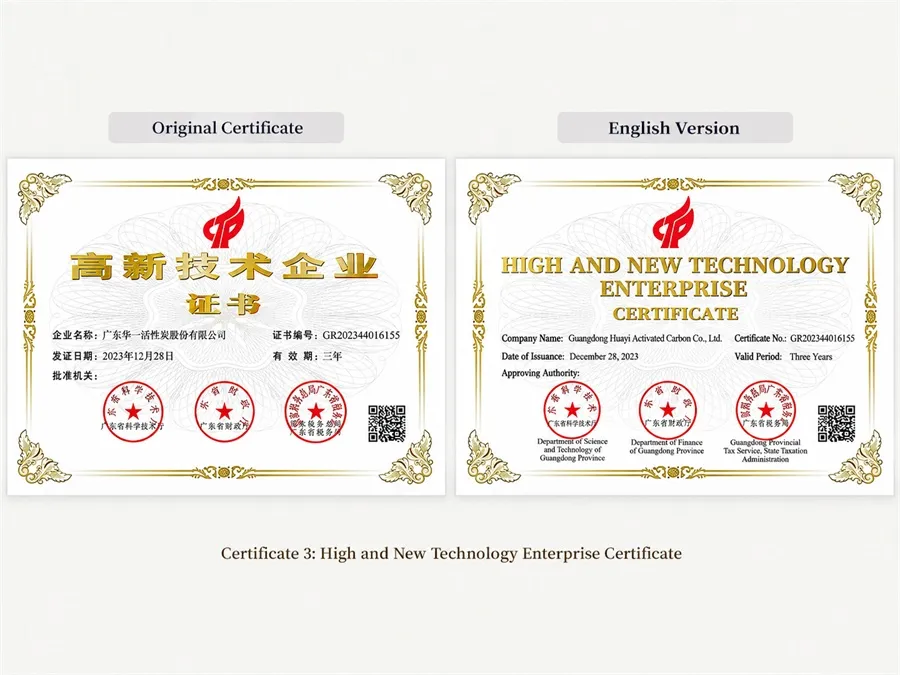
National High Tech Enterprise award in 2023
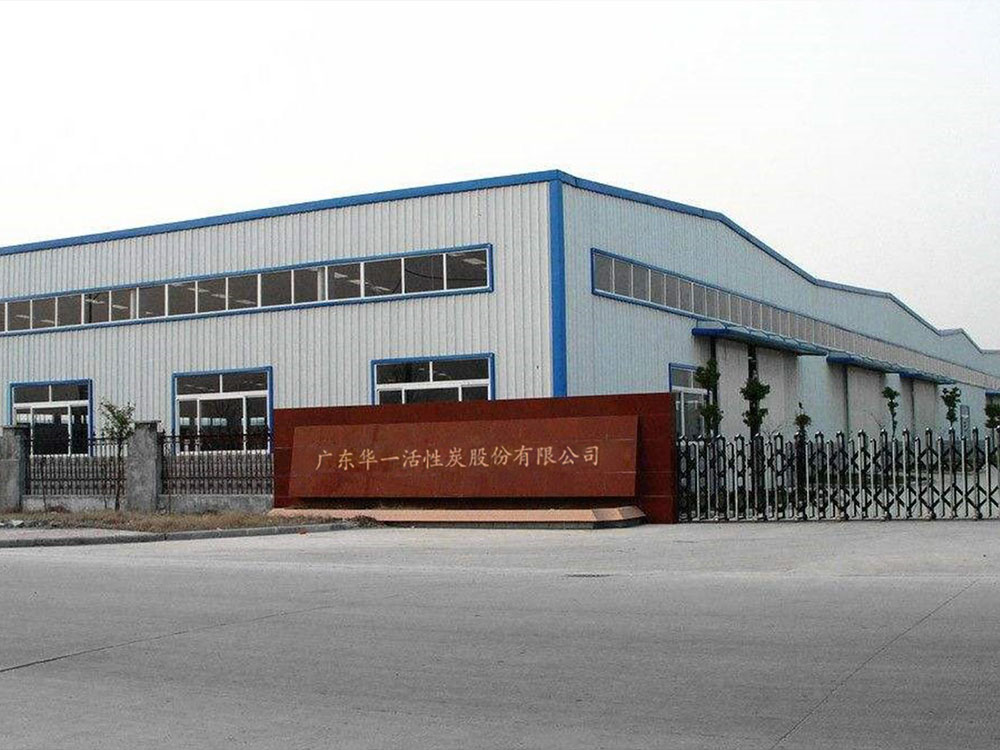
Factory in Guangdong Province, China
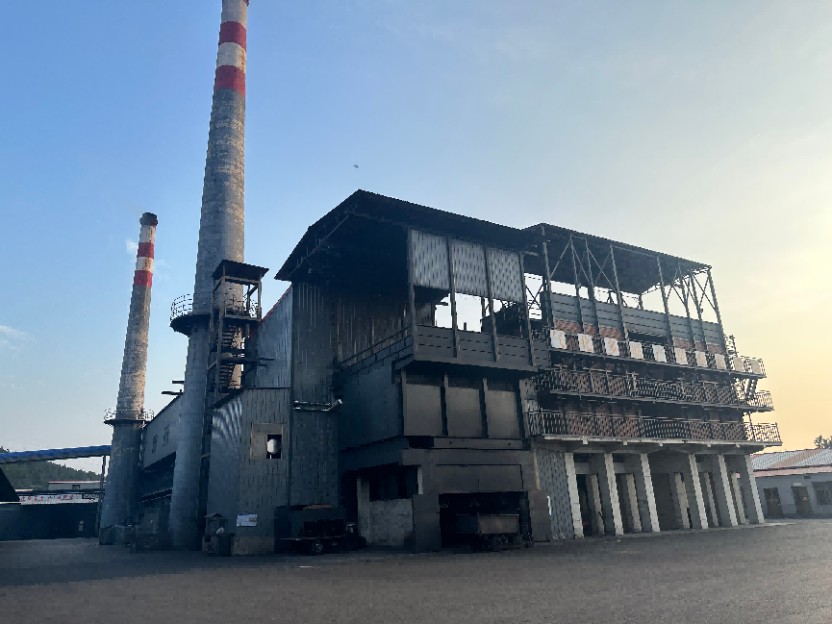
Factory in Jiangxi Province, China
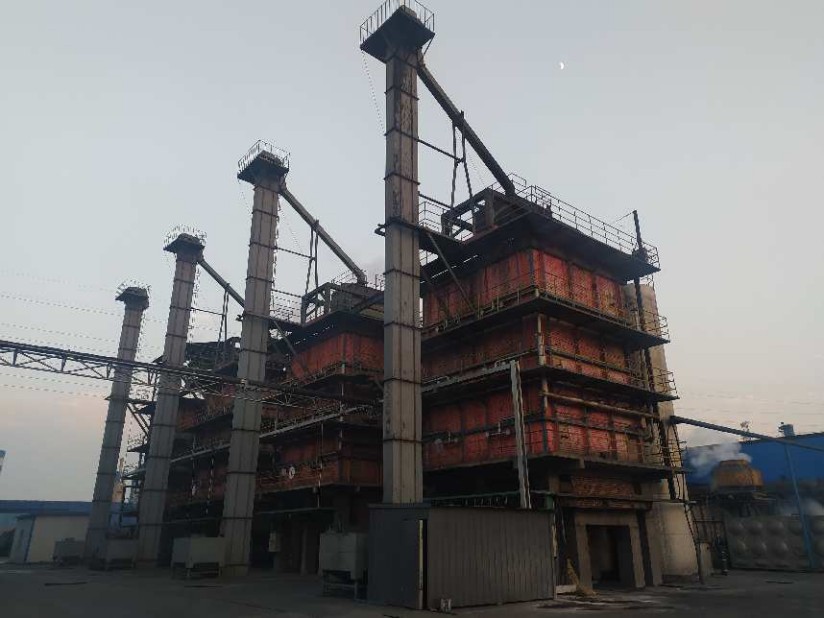
Factory in Xinjiang Province, China
Laboratory
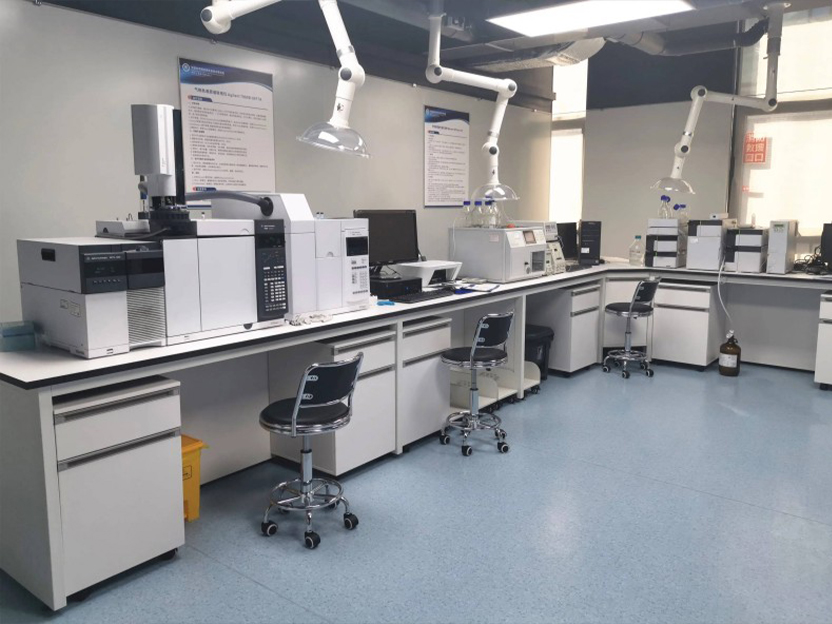
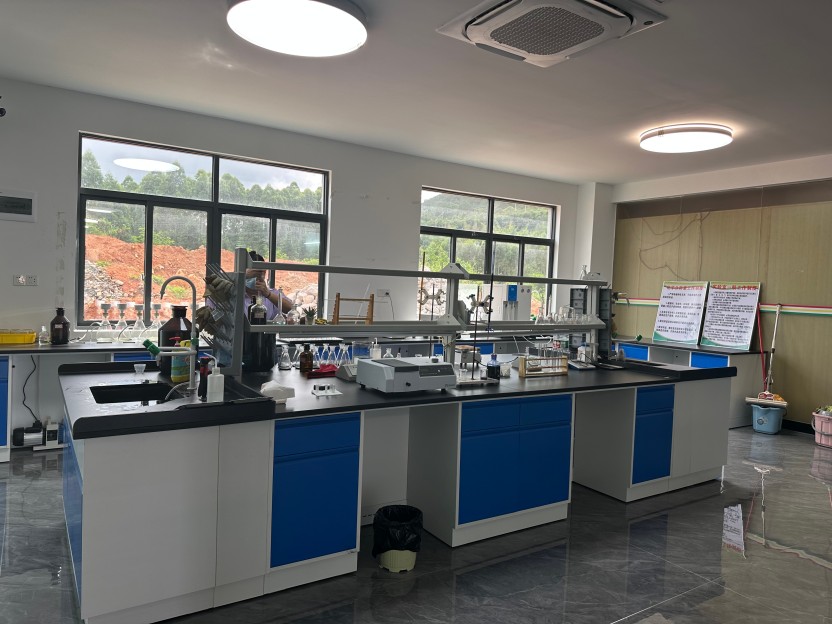
At YICARB®, quality is never an assumption—it's verified at every stage. Across the three manufacturing facilities supporting YICARB®, each facility is equipped with a fully operational on-site laboratory, enabling real-time testing and traceability from raw material intake through semi-finished intermediates to the final product. Every batch undergoes rigorous analysis against key performance indicators—including iodine number, CTC adsorption, hardness, ash content, and particle size distribution—before it ever leaves the factory floor. With a combined annual capacity of 28,000 metric tons and over 30 years of accumulated technical expertise, this triple-lab infrastructure ensures that every shipment bearing the YICARB® name meets the exacting standards demanded by gold recovery, water treatment, and air purification applications worldwide. For our customers, it means one thing: consistent, certified, audit-ready quality—without compromise.
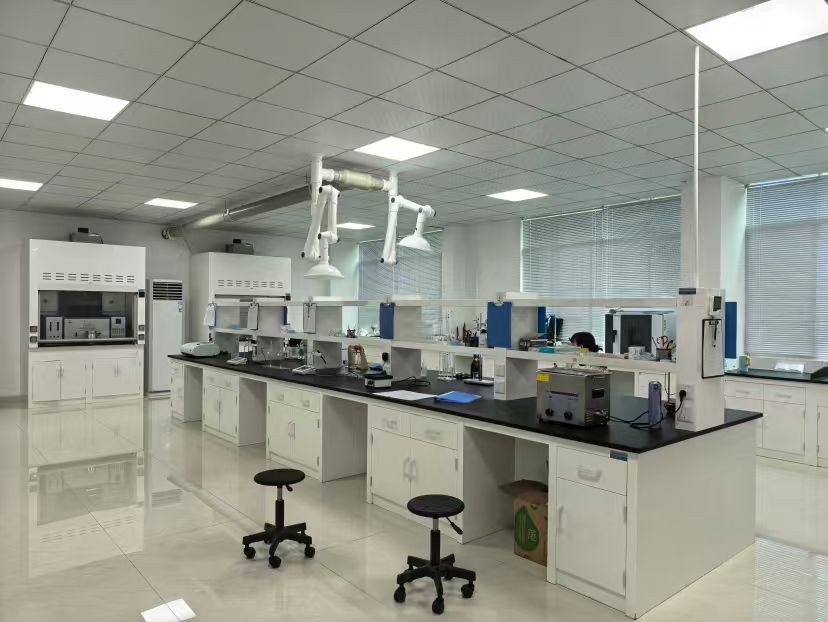
Laboratory in Guangdong Province, China
Laboratory in Jiangxi Province, China
Laboratory in Xinjiang Province, China
QC
YICARB® quality control is supported by three dedicated on-site laboratories—one at each manufacturing site—providing full-spectrum analytical capability across the entire production chain. Our QC teams conduct both routine and specialized testing in accordance with internationally recognized standards, covering:
|
Specification |
Standard |
Test Method |
What It Means for Your Operation |
|
CTC |
45-60% |
ASTM D3467 |
Measures the carbon's capacity for medium to large organic molecules. For gold recovery, a CTC of 45–60% indicates a well-developed mesopore structure that facilitates rapid gold cyanide complex diffusion—especially critical in high-pulp-density CIL circuits. |
|
Iodine Number |
900–1200 mg/g |
ASTM D4607 |
Total micropore volume. Higher = more surface area for gold adsorption. While YICARB manufactures coconut shell activated carbon across the full iodine spectrum from 1,000 to 2,000 mg/g, for gold recovery we specifically recommend the 1,000–1,200 mg/g range—the proven sweet spot for adsorption performance, hardness, and circuit economics. |
|
R-Value (Kinetics) |
55–75% |
AARL method |
Adsorption rate in 30 min. Critical for CIL circuits with short residence times. > 65% recommended for preg-robbing ores. |
|
K-Value (Loading) |
25–35 mg Au/g |
Freundlich isotherm |
Equilibrium loading at 1.0 mg/L Au. Critical for CIP circuits where carbon contact time is abundant. Directly impacts carbon inventory size. |
|
Hardness |
97–99.5% |
ASTM D3802 |
Mechanical attrition resistance. Every 1% drop below 98% can increase gold-in-fines losses by 15–20%. Non-negotiable for agitated tanks. |
|
Particle Size |
5-10 mesh 6-12 mesh |
Sieve analysis |
Uniformity is more important than absolute size. PSD > 95% on-spec prevents screen blinding. Finer mesh = faster kinetics but higher pressure drop. |
|
Ash Content |
< 2–3% |
ASTM D2866 |
Lower ash = less metal leaching into process water. Coconut shell carbon naturally achieves < 3%. |
|
Apparent Density |
0.45–0.55 g/mL |
ASTM D2854 |
Reflects carbon packing and structural integrity. Consistent density ensures predictable carbon inventory weight in each tank. |
|
Moisture Content |
5-10% |
ASTM D2867-91 |
As-shipped moisture ensures carbon is pre-wetted and ready for direct introduction into the circuit without dusting. Consistent 5–10% moisture prevents floating carbon in the first CIP tank and eliminates the need for pre-soaking before startup. |
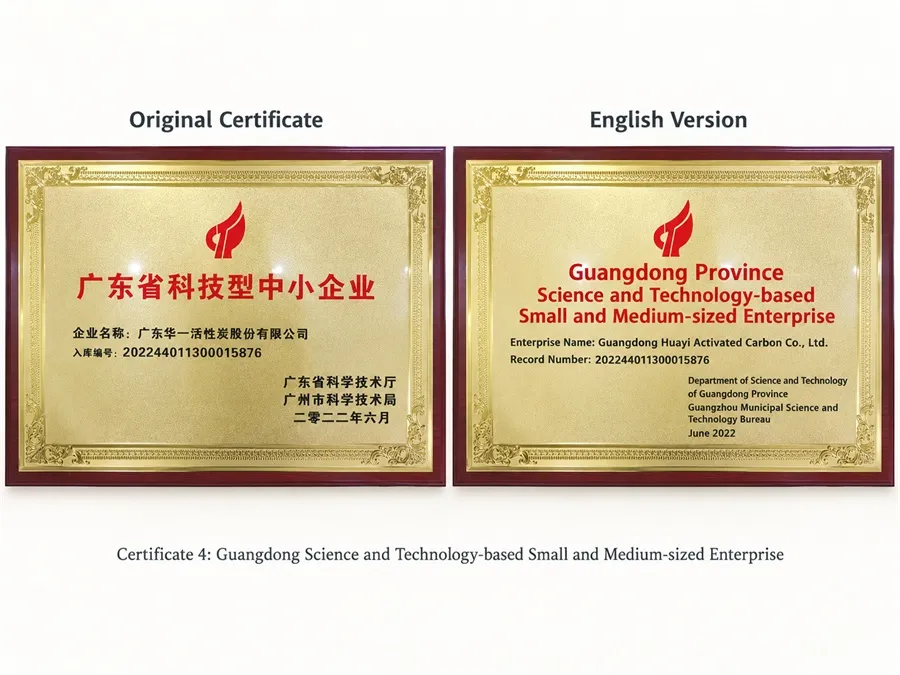
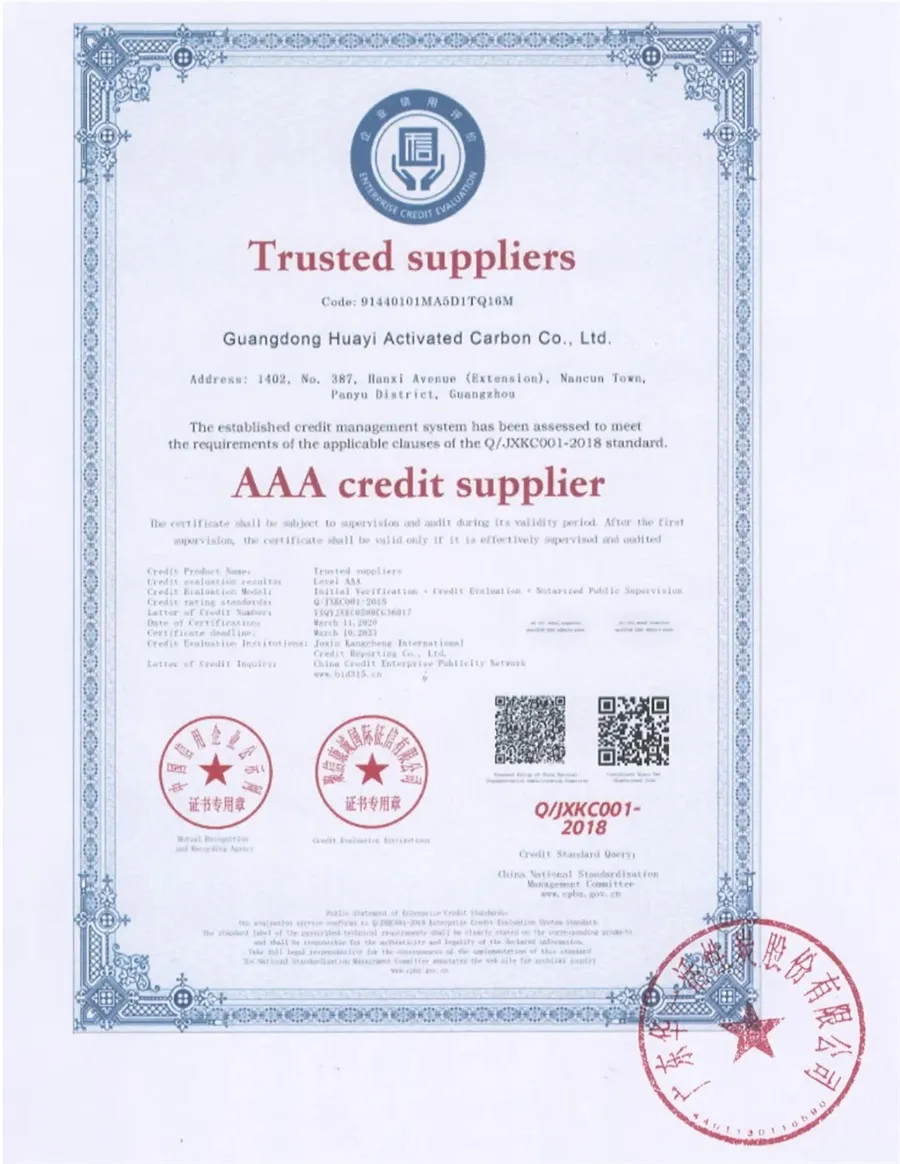
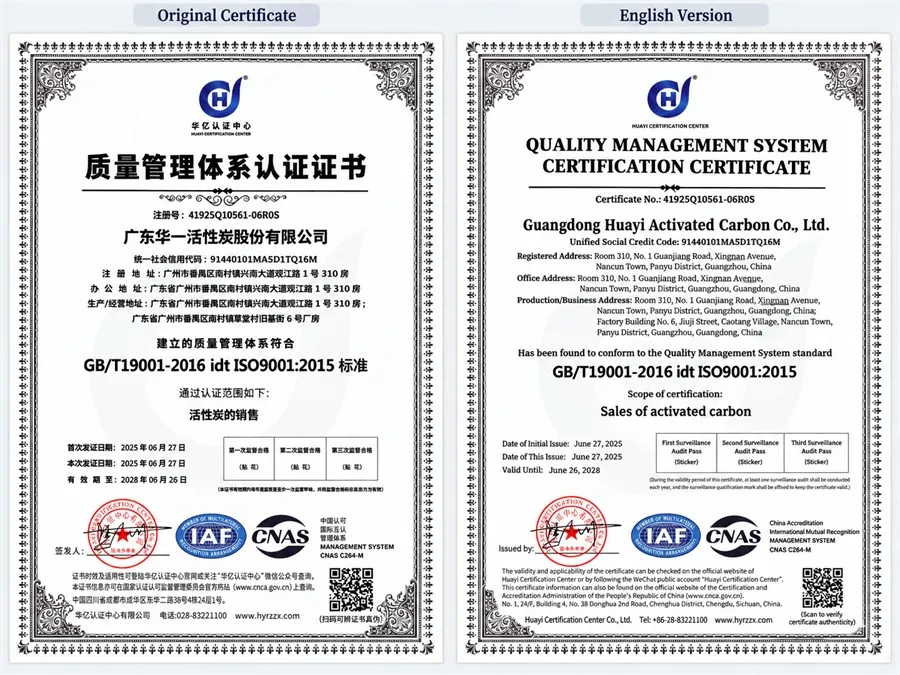
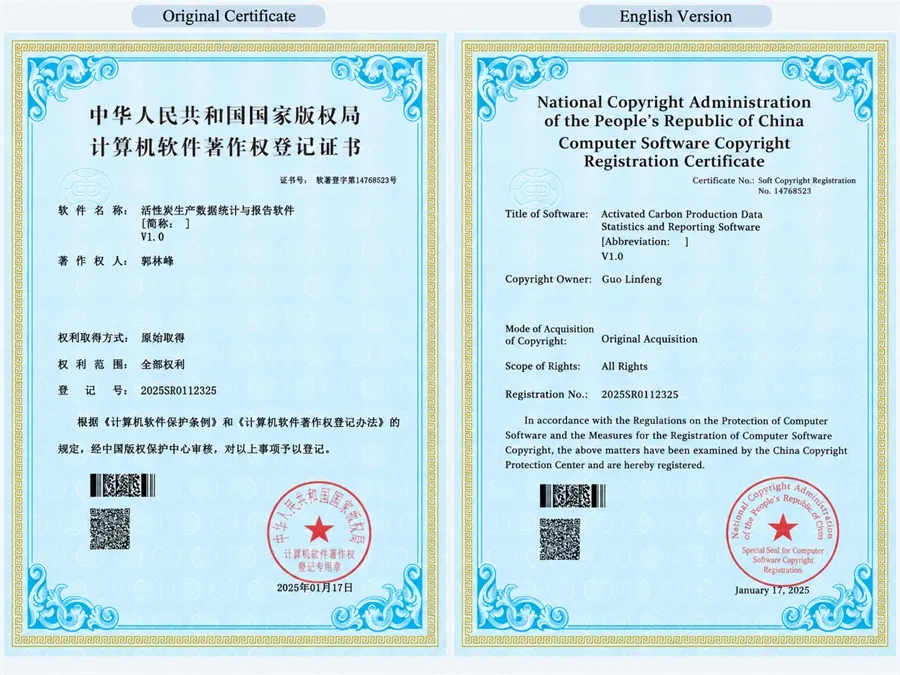
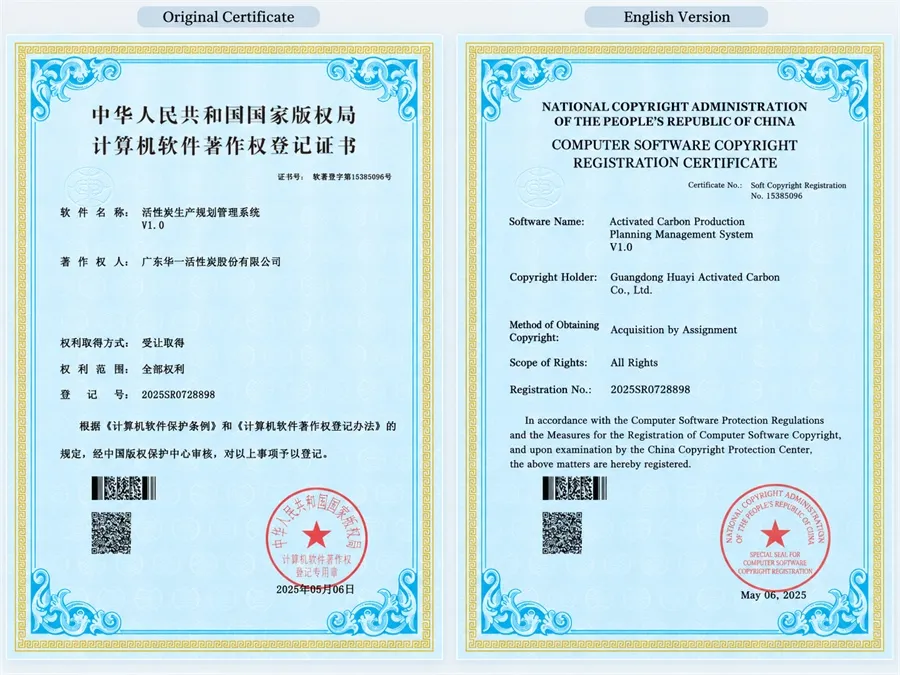
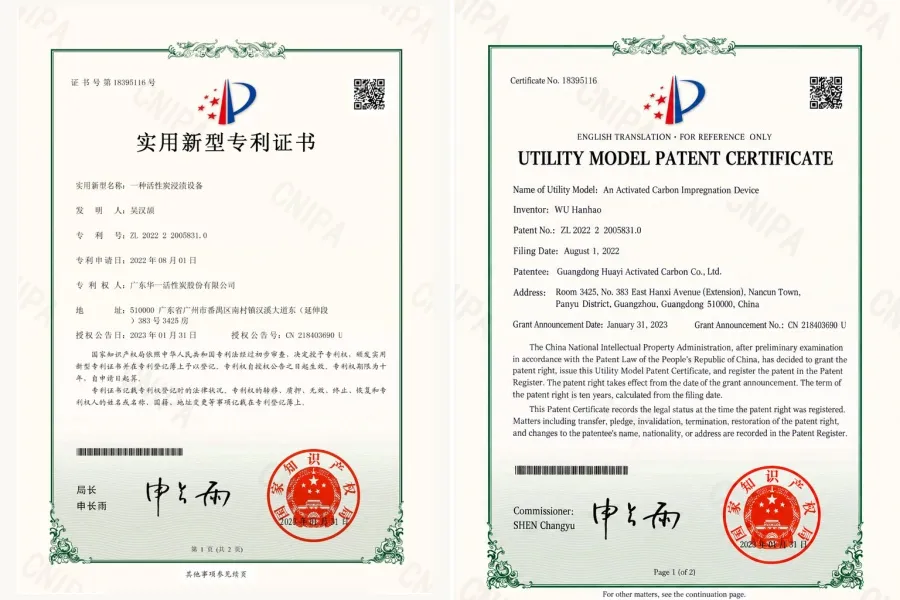
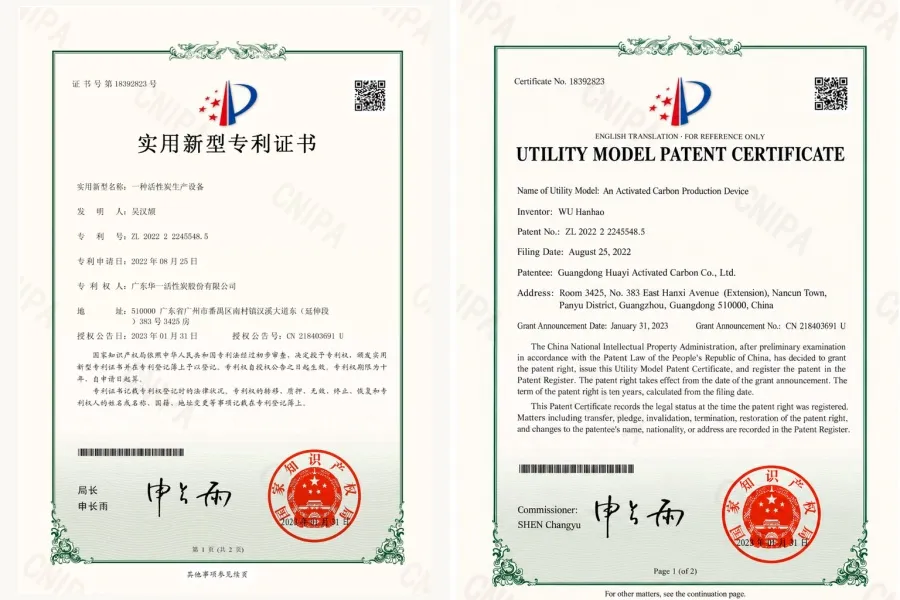
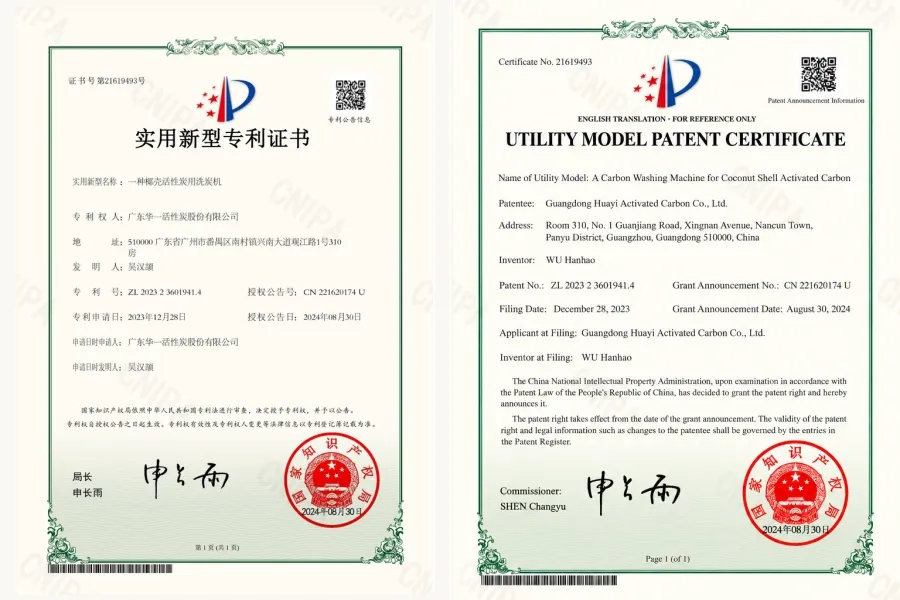
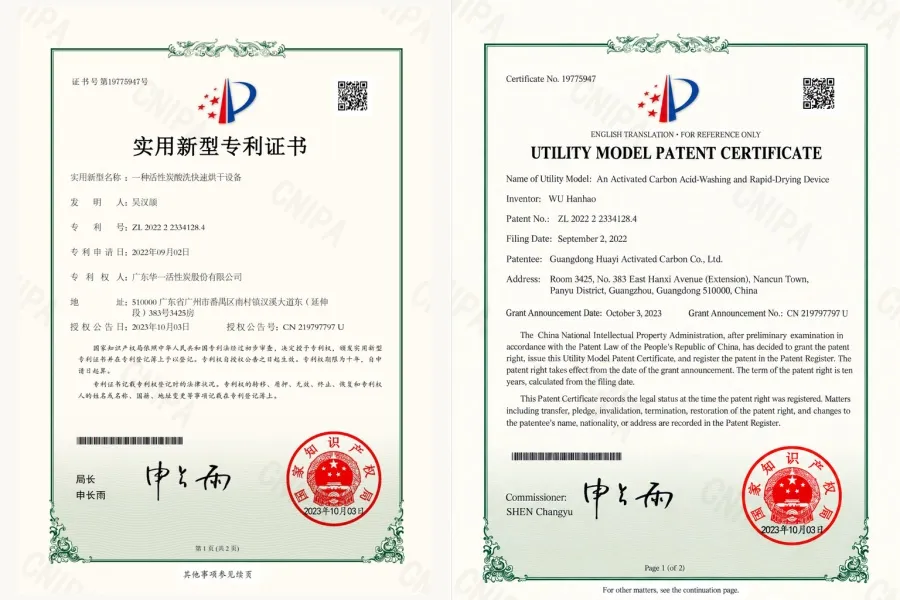
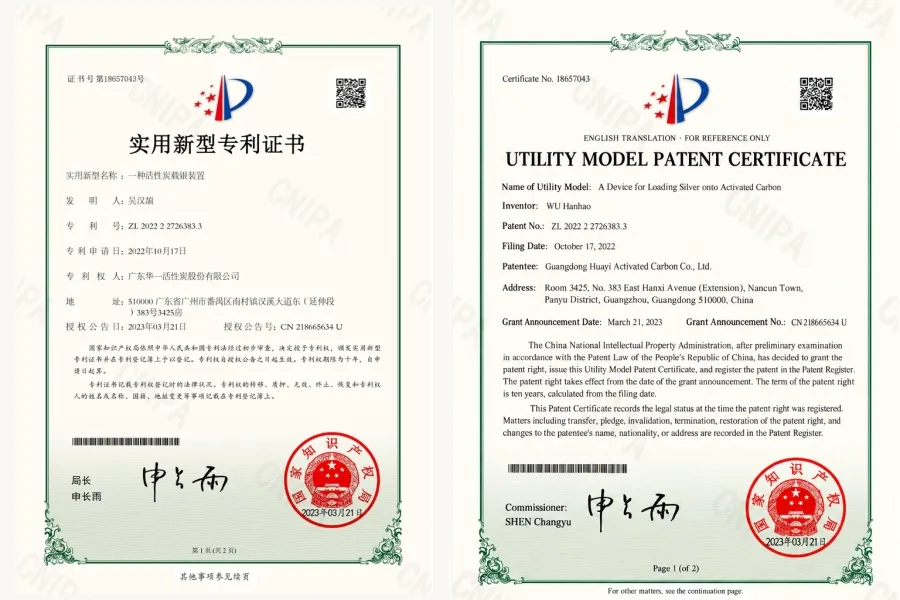
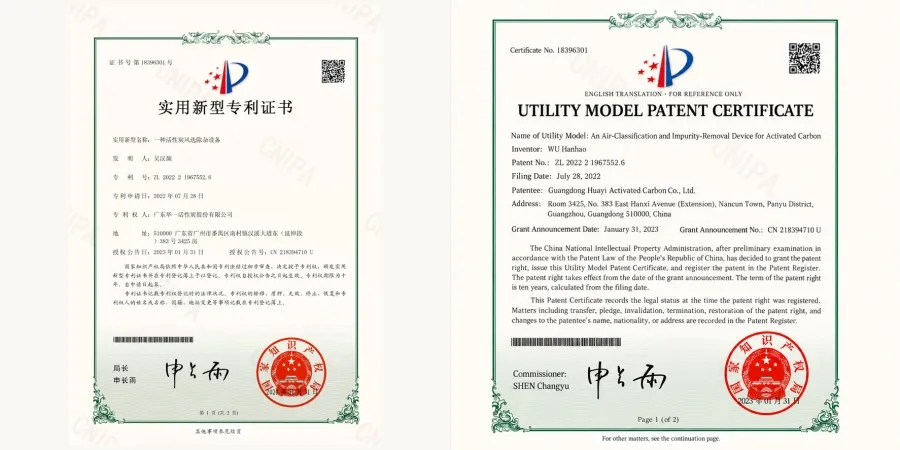
Certifications
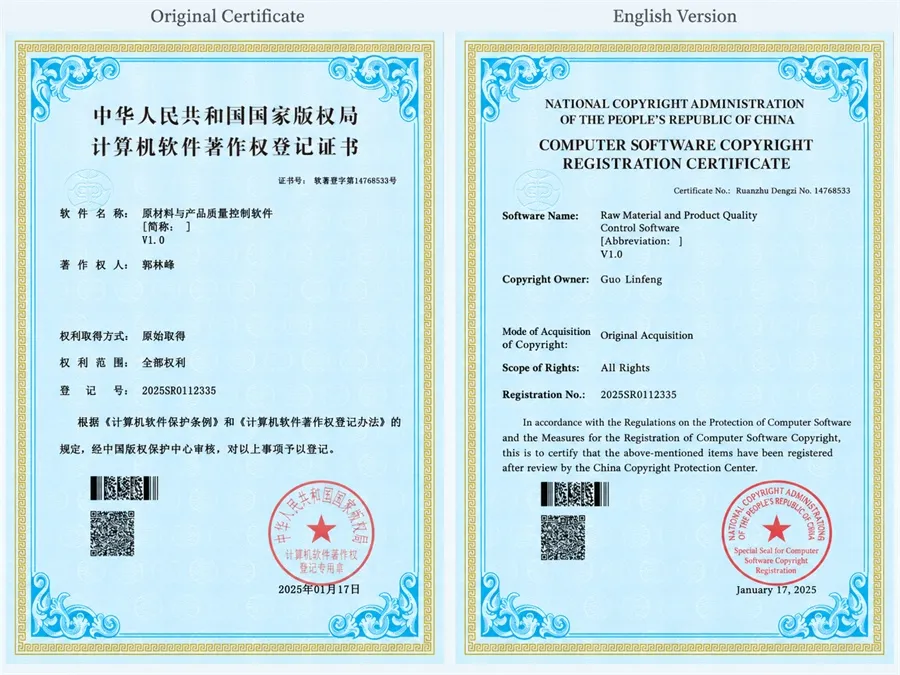
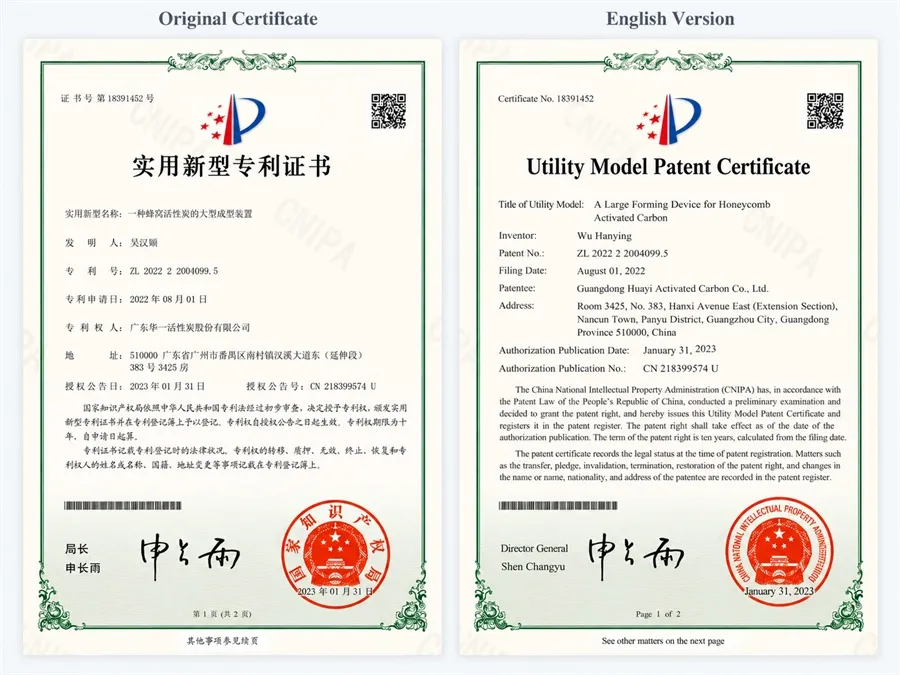
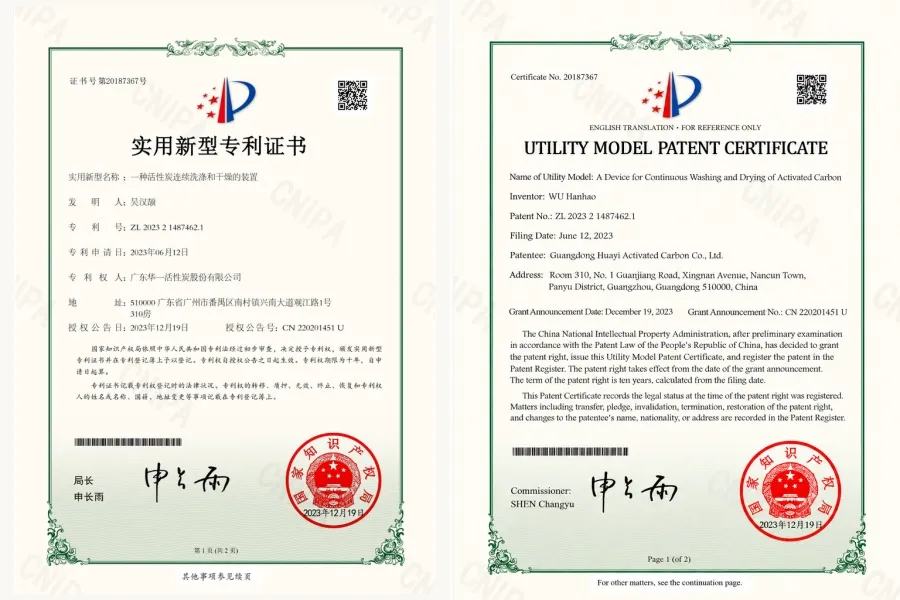
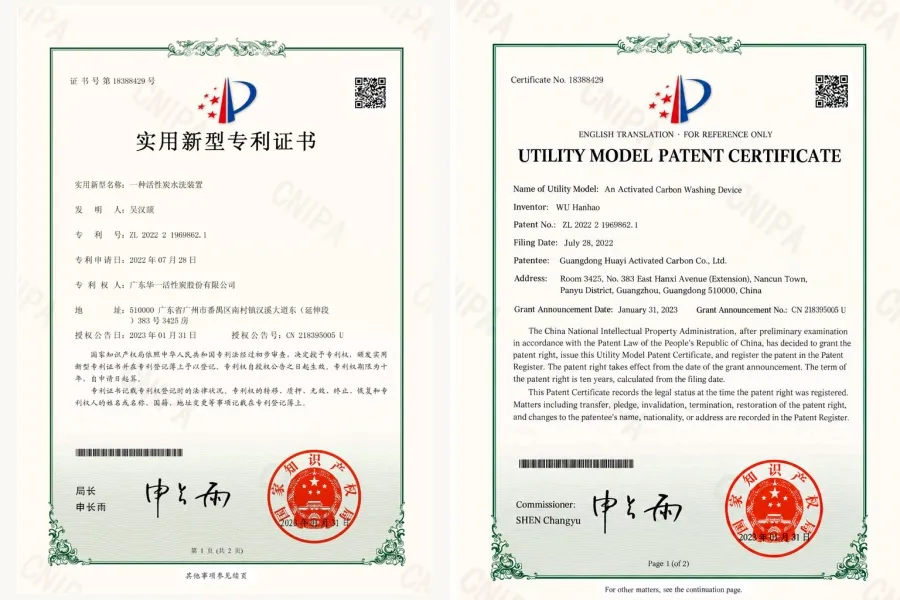

Products
Solutions
Performance
Markets & Cases
Resources
Manufacturing & Quality
About Us
Contact Us

Copyright © 2026 Guangdong Yicarb Activated Carbon Co., Ltd. All Rights Reserved.