Coal Based Briquetted Activated Carbon
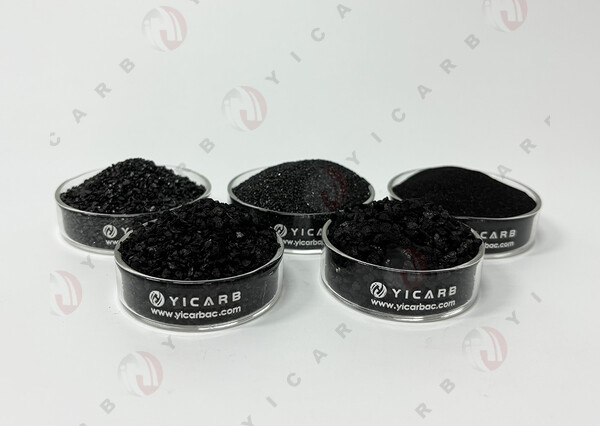
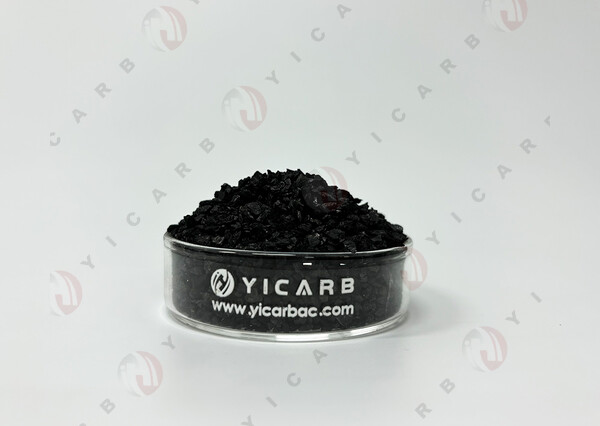
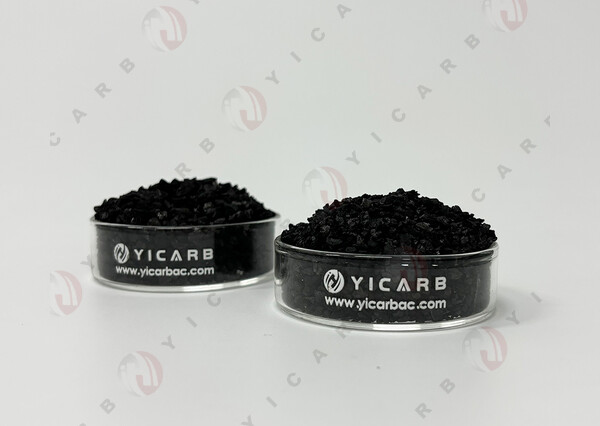
YICARB Coal Based Briquetted Activated Carbon is made from selected high-quality weakly viscous coal as the raw material, utilizing its advantages of low ash content, low sulfur content, and high chemical activity.By utilizing a special coal blending technology, it is produced using world leading crushing production technology. This activated charcoal briquettes have the advantages of low floating rate, well-developed mesopores, uniform activation, high strength, good decolorization performance, rough surface, easy biofilm formation, long regeneration cycle, and high regeneration yield.
YICARB Coal Based Briquetted Activated Carbon is made from selected high-quality weakly viscous coal as the raw material, utilizing its advantages of low ash content, low sulfur content, and high chemical activity.By utilizing a special coal blending technology, it is produced using world leading crushing production technology. This activated charcoal briquettes have the advantages of low floating rate, well-developed mesopores, uniform activation, high strength, good decolorization performance, rough surface, easy biofilm formation, long regeneration cycle, and high regeneration yield.
Coal Based Activated Charcoal Briquettes Uses
Coal-based activated charcoal briquettes, also known as activated charcoal bricks, are highly versatile materials with a wide range of applications due to their excellent adsorption properties. These briquettes are produced through a specialized process of making charcoal briquettes, where coal is carbonized, activated, and compressed into compact, durable forms. This process enhances the briquettes' porous structure, making them highly effective for various industrial and environmental uses.
Deep Water Treatment
Activated charcoal briquettes are widely used in deep water treatment processes. Their high surface area and adsorption capacity make them ideal for removing impurities, contaminants, and organic compounds from water. This coal activated carbon is particularly effective in treating industrial wastewater, municipal water supplies, and groundwater, ensuring clean and safe water for various applications.
Decolorization
In industries such as sugar refining, monosodium glutamate (MSG) production, and pharmaceutical manufacturing, activated charcoal bricks are employed for decolorization. They effectively remove unwanted colors from liquids, ensuring high-quality, visually appealing final products. For instance, in sugar production, these briquettes help achieve crystal-clear syrups by adsorbing colored impurities.
Deodorization
The deodorizing properties of coal-based activated charcoal briquettes make them essential in applications requiring odor control. They are used in the production of alcoholic beverages, soft drinks, and other beverages to eliminate unpleasant odors, ensuring a pure and refreshing taste. Additionally, they are applied in air purification systems to remove volatile organic compounds (VOCs) and odors from industrial emissions.
Refining Processes
In the pharmaceutical and food industries, activated charcoal briquettes play a critical role in refining processes. They are used to purify raw materials, remove contaminants, and ensure the safety and quality of products like medicines, edible oils, and alcoholic beverages. Their ability to adsorb impurities makes them indispensable in achieving high-purity standards.
Coal Based Activated Charcoal Briquettes Technical Parameters
|
Partical Size (mesh) |
Iodine (mg/g) |
Surface Area (m²/g) |
CTC (%) |
Methylene Blue Adsoprtion (mg/g) |
Hardness (%) |
PH |
Moisture (%) |
Ash (%) |
Density (g/l) |
|
4-8 |
800-1200 |
1000-1400 |
30-70 |
120-280 |
≥95 |
6-11 |
2-5 |
5-20 |
360-580 |
|
6-12 |
800-1200 |
1000-1400 |
30-70 |
120-280 |
≥95 |
6-11 |
2-5 |
5-20 |
360-580 |
|
8-16 |
800-1200 |
1000-1400 |
30-70 |
120-280 |
≥95 |
6-11 |
2-5 |
5-20 |
360-580 |
|
8-24 |
800-1200 |
1000-1400 |
30-70 |
120-280 |
≥95 |
6-11 |
2-5 |
5-20 |
360-580 |
|
8-30 |
800-1200 |
1000-1400 |
30-70 |
120-280 |
≥95 |
6-11 |
2-5 |
5-20 |
360-580 |
|
10-20 |
800-1200 |
1000-1400 |
30-70 |
120-280 |
≥95 |
6-11 |
2-5 |
5-20 |
360-580 |
|
12-30 |
800-1200 |
1000-1400 |
30-70 |
120-280 |
≥95 |
6-11 |
2-5 |
5-20 |
360-580 |
|
12-40 |
800-1200 |
1000-1400 |
30-70 |
120-280 |
≥95 |
6-11 |
2-5 |
5-20 |
360-580 |
|
20-50 |
800-1200 |
1000-1400 |
30-70 |
120-280 |
≥95 |
6-11 |
2-5 |
5-20 |
360-580 |
|
30-60 |
800-1200 |
1000-1400 |
30-70 |
120-280 |
≥95 |
6-11 |
2-5 |
5-20 |
360-580 |
|
40-80 |
800-1200 |
1000-1400 |
30-70 |
120-280 |
≥95 |
6-11 |
2-5 |
5-20 |
360-580 |
Note: All specifications could be adjusted as per client's request. Get to know more about activated charcoal cost at YICARB.
Why Coal-Based Activated Charcoal Briquettes Are the Future
Coal-based activated charcoal briquettes are emerging as a leading solution among activated carbon suppliers in the global market, particularly for water treatment, with China at the forefront. These briquettes combine cost-effectiveness, high performance, and sustainability, making them ideal for large-scale applications. The economical process of making charcoal briquettes from coal ensures affordability for water treatment and industrial uses. Their uniform structure and exceptional adsorption capacity deliver consistent, high-quality results in demanding environments. Advancements in production techniques are also reducing the environmental footprint of coal-based activated charcoal, aligning with the global push for sustainable solutions. As industrialization grows and environmental regulations tighten, especially in China, the demand for efficient water treatment options like activated charcoal bricks is surging. This rising need, paired with their practical and eco-friendly benefits, positions coal-based activated charcoal briquettes as a cornerstone of future water purification and industrial processes.
The Process of Making Charcoal Briquettes
The creation of activated charcoal briquettes is a precise process that transforms coal into a highly effective material for industrial and environmental applications. It starts with carbonization, where coal is heated in a low-oxygen environment to produce a carbon-rich char. This char undergoes activation, where steam or chemicals create a highly porous structure, significantly boosting its adsorption capacity. During the briquetting phase, the activated carbon is mixed with a binder and compressed into durable, versatile activated charcoal bricks, designed for ease of use in various applications. Rigorous quality control follows, with tests for adsorption efficiency, strength, and purity to ensure compliance with industry standards. This carefully managed process of making charcoal briquettes delivers a reliable, high-performance product that meets the demands of water treatment, air purification, and other industrial needs, solidifying activated charcoal briquettes as a key player in modern purification technologies.
Coal Based Activated Charcoal Briquettes Uses
Coal-based activated charcoal briquettes, also known as activated charcoal bricks, are highly versatile materials with a wide range of applications due to their excellent adsorption properties. These briquettes are produced through a specialized process of making charcoal briquettes, where coal is carbonized, activated, and compressed into compact, durable forms. This process enhances the briquettes' porous structure, making them highly effective for various industrial and environmental uses.
Deep Water Treatment
Activated charcoal briquettes are widely used in deep water treatment processes. Their high surface area and adsorption capacity make them ideal for removing impurities, contaminants, and organic compounds from water. This coal activated carbon is particularly effective in treating industrial wastewater, municipal water supplies, and groundwater, ensuring clean and safe water for various applications.
Decolorization
In industries such as sugar refining, monosodium glutamate (MSG) production, and pharmaceutical manufacturing, activated charcoal bricks are employed for decolorization. They effectively remove unwanted colors from liquids, ensuring high-quality, visually appealing final products. For instance, in sugar production, these briquettes help achieve crystal-clear syrups by adsorbing colored impurities.
Deodorization
The deodorizing properties of coal-based activated charcoal briquettes make them essential in applications requiring odor control. They are used in the production of alcoholic beverages, soft drinks, and other beverages to eliminate unpleasant odors, ensuring a pure and refreshing taste. Additionally, they are applied in air purification systems to remove volatile organic compounds (VOCs) and odors from industrial emissions.
Refining Processes
In the pharmaceutical and food industries, activated charcoal briquettes play a critical role in refining processes. They are used to purify raw materials, remove contaminants, and ensure the safety and quality of products like medicines, edible oils, and alcoholic beverages. Their ability to adsorb impurities makes them indispensable in achieving high-purity standards.
Coal Based Activated Charcoal Briquettes Technical Parameters
|
Partical Size (mesh) |
Iodine (mg/g) |
Surface Area (m²/g) |
CTC (%) |
Methylene Blue Adsoprtion (mg/g) |
Hardness (%) |
PH |
Moisture (%) |
Ash (%) |
Density (g/l) |
|
4-8 |
800-1200 |
1000-1400 |
30-70 |
120-280 |
≥95 |
6-11 |
2-5 |
5-20 |
360-580 |
|
6-12 |
800-1200 |
1000-1400 |
30-70 |
120-280 |
≥95 |
6-11 |
2-5 |
5-20 |
360-580 |
|
8-16 |
800-1200 |
1000-1400 |
30-70 |
120-280 |
≥95 |
6-11 |
2-5 |
5-20 |
360-580 |
|
8-24 |
800-1200 |
1000-1400 |
30-70 |
120-280 |
≥95 |
6-11 |
2-5 |
5-20 |
360-580 |
|
8-30 |
800-1200 |
1000-1400 |
30-70 |
120-280 |
≥95 |
6-11 |
2-5 |
5-20 |
360-580 |
|
10-20 |
800-1200 |
1000-1400 |
30-70 |
120-280 |
≥95 |
6-11 |
2-5 |
5-20 |
360-580 |
|
12-30 |
800-1200 |
1000-1400 |
30-70 |
120-280 |
≥95 |
6-11 |
2-5 |
5-20 |
360-580 |
|
12-40 |
800-1200 |
1000-1400 |
30-70 |
120-280 |
≥95 |
6-11 |
2-5 |
5-20 |
360-580 |
|
20-50 |
800-1200 |
1000-1400 |
30-70 |
120-280 |
≥95 |
6-11 |
2-5 |
5-20 |
360-580 |
|
30-60 |
800-1200 |
1000-1400 |
30-70 |
120-280 |
≥95 |
6-11 |
2-5 |
5-20 |
360-580 |
|
40-80 |
800-1200 |
1000-1400 |
30-70 |
120-280 |
≥95 |
6-11 |
2-5 |
5-20 |
360-580 |
Note: All specifications could be adjusted as per client's request. Get to know more about activated charcoal cost at YICARB.
Why Coal-Based Activated Charcoal Briquettes Are the Future
Coal-based activated charcoal briquettes are emerging as a leading solution among activated carbon suppliers in the global market, particularly for water treatment, with China at the forefront. These briquettes combine cost-effectiveness, high performance, and sustainability, making them ideal for large-scale applications. The economical process of making charcoal briquettes from coal ensures affordability for water treatment and industrial uses. Their uniform structure and exceptional adsorption capacity deliver consistent, high-quality results in demanding environments. Advancements in production techniques are also reducing the environmental footprint of coal-based activated charcoal, aligning with the global push for sustainable solutions. As industrialization grows and environmental regulations tighten, especially in China, the demand for efficient water treatment options like activated charcoal bricks is surging. This rising need, paired with their practical and eco-friendly benefits, positions coal-based activated charcoal briquettes as a cornerstone of future water purification and industrial processes.
The Process of Making Charcoal Briquettes
The creation of activated charcoal briquettes is a precise process that transforms coal into a highly effective material for industrial and environmental applications. It starts with carbonization, where coal is heated in a low-oxygen environment to produce a carbon-rich char. This char undergoes activation, where steam or chemicals create a highly porous structure, significantly boosting its adsorption capacity. During the briquetting phase, the activated carbon is mixed with a binder and compressed into durable, versatile activated charcoal bricks, designed for ease of use in various applications. Rigorous quality control follows, with tests for adsorption efficiency, strength, and purity to ensure compliance with industry standards. This carefully managed process of making charcoal briquettes delivers a reliable, high-performance product that meets the demands of water treatment, air purification, and other industrial needs, solidifying activated charcoal briquettes as a key player in modern purification technologies.
Previous: Coal-Based Granular Activated Carbon
Coal-Based Activated Carbon
Coconut Shell Based Activated Carbon
Wood Based Activated Carbon
Honeycomb Activated Carbon
Residential & Municipal Water Treatment
Industrial Water Treatment
Waste Water Treatment
Environmental Air Treatment
Industrial Process
Food and Beverages
Personal Protection Equipment
Gold Mining & Recovery
Petroleum & Gas
Pharmaceutical & Cosmetics
Catalyst Support
Customized Products
ABOUT US
COMPANY NEWS
BLOG
FAQ
CASES
CONTACT US

Copyright © 2026 Guangdong Yicarb Activated Carbon Co., Ltd. All Rights Reserved.